في خطوة وصفت بـ”تعليق الجرس”، أطلقت وزارة الداخلية مبادرة جريئة لتنظيم الظواهر الاجتماعية، فتحت الباب أمام نقاش علني لقضايا كثيرة كنا نتهافت على مناقشتها في الخلوات، لكننا نتردد في الخوض فيها علنًا خوفًا من القيود المجتمعية .
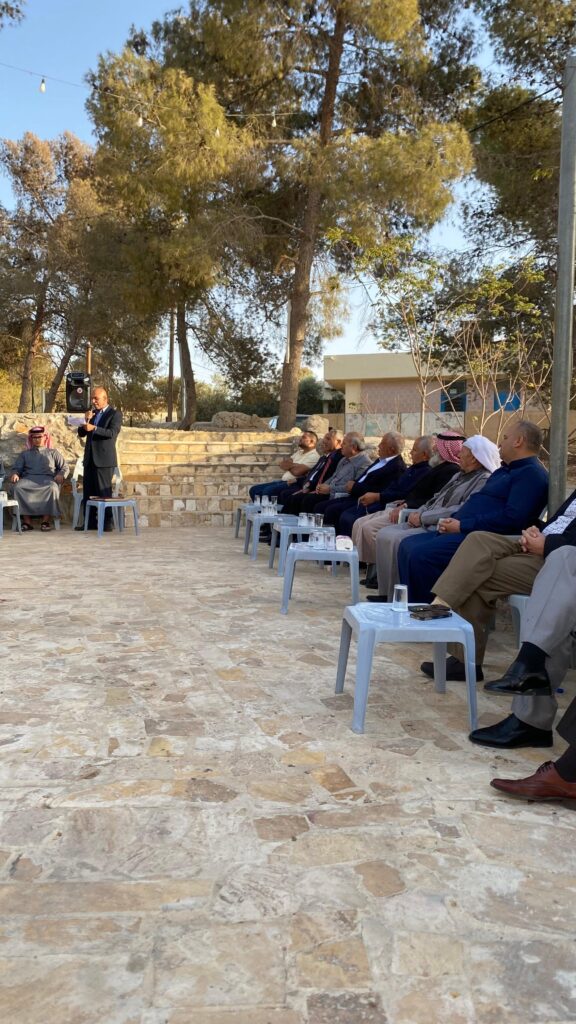
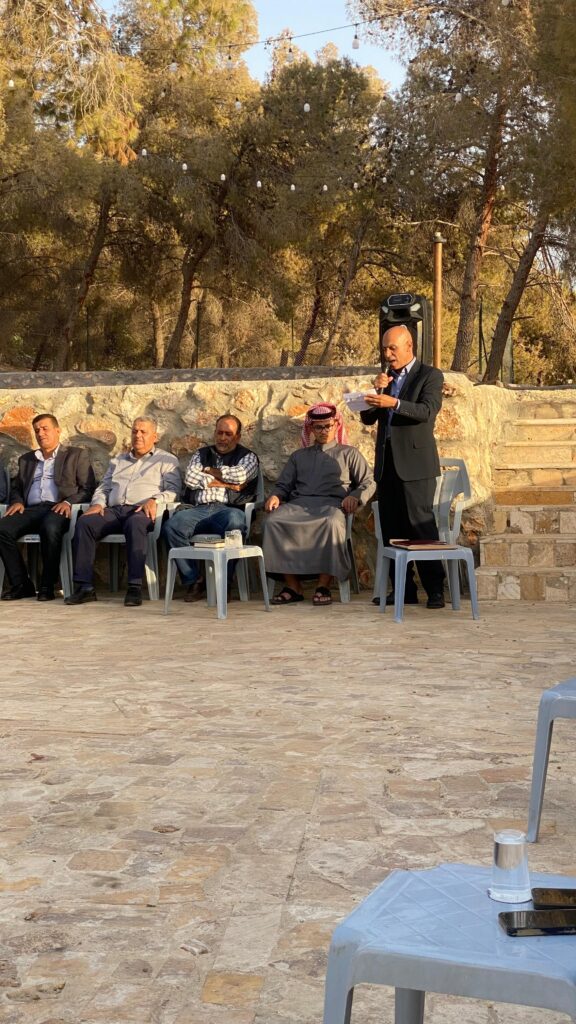
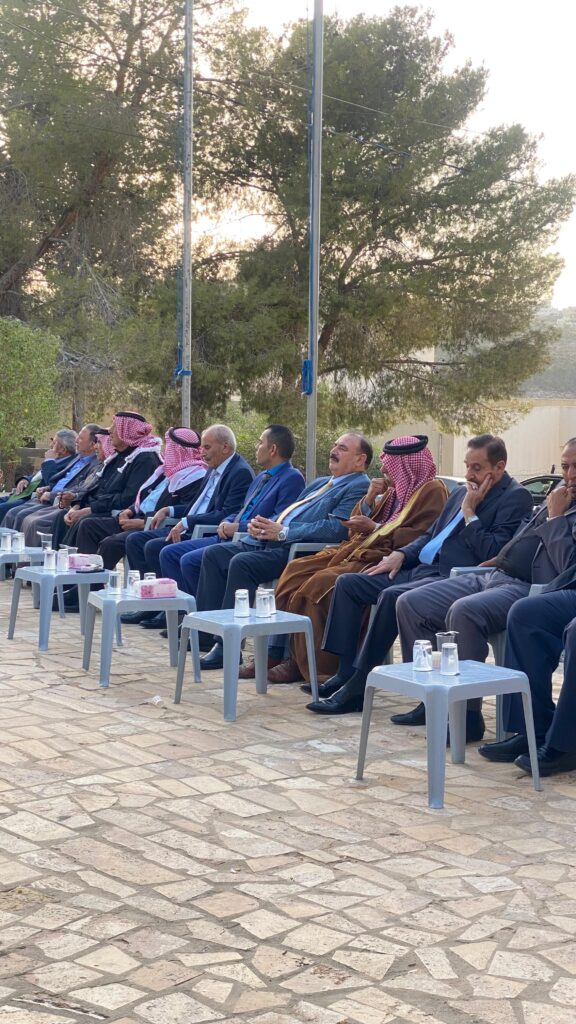
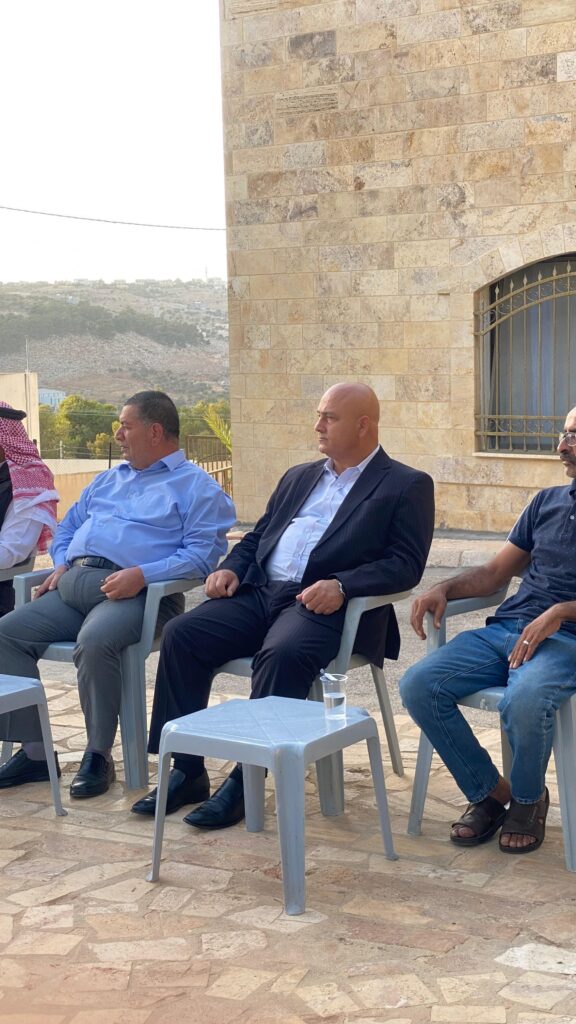
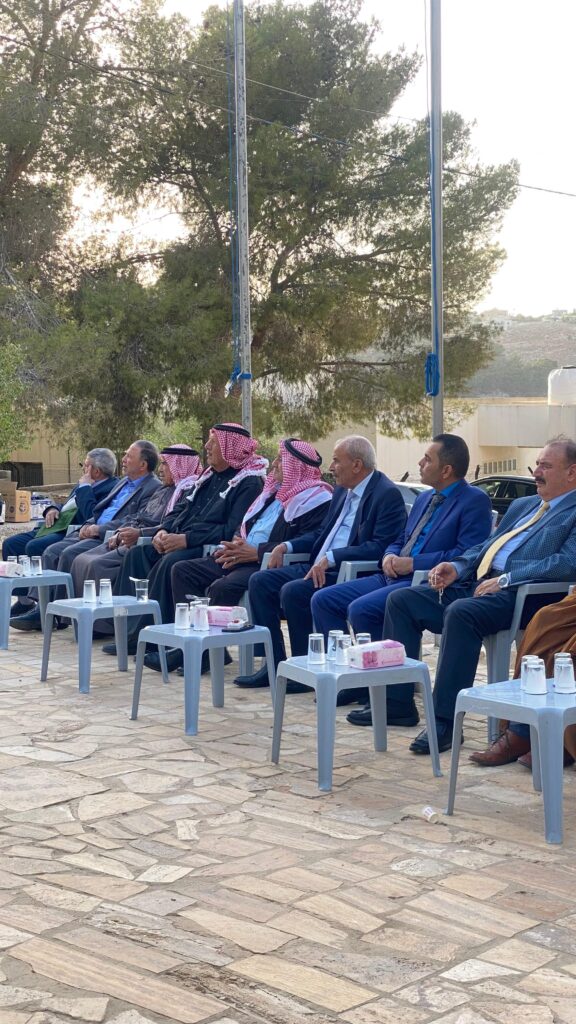
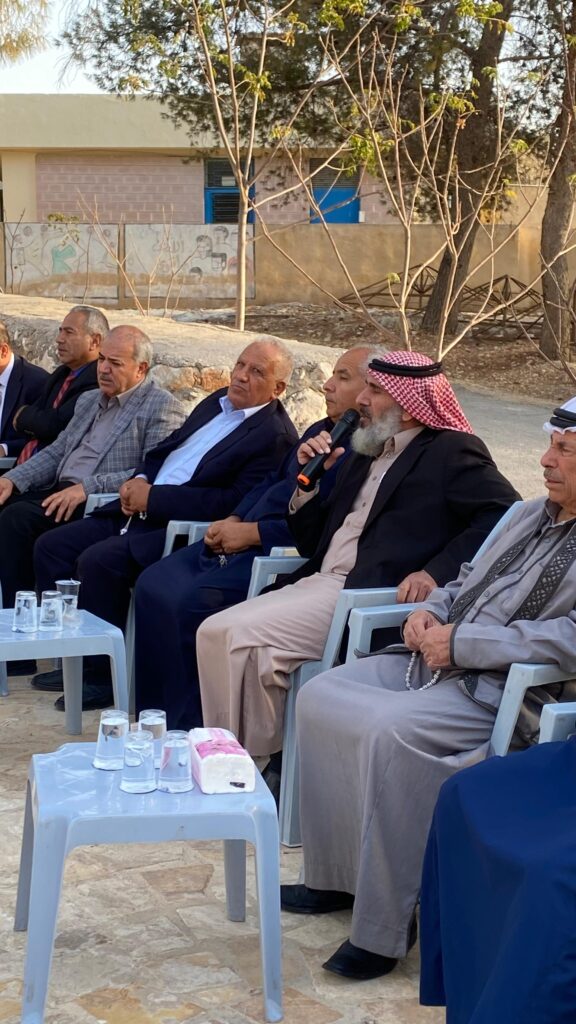
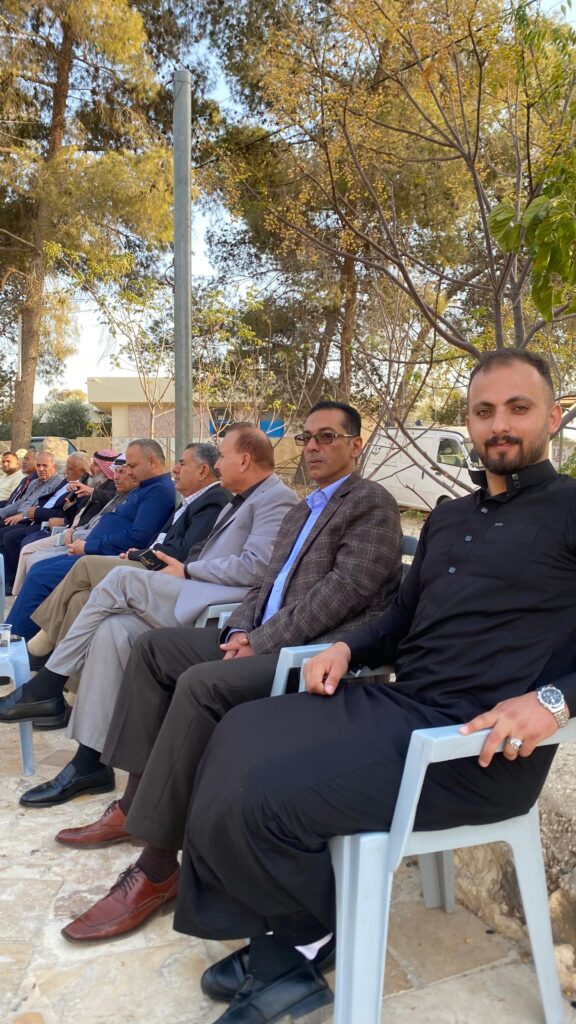
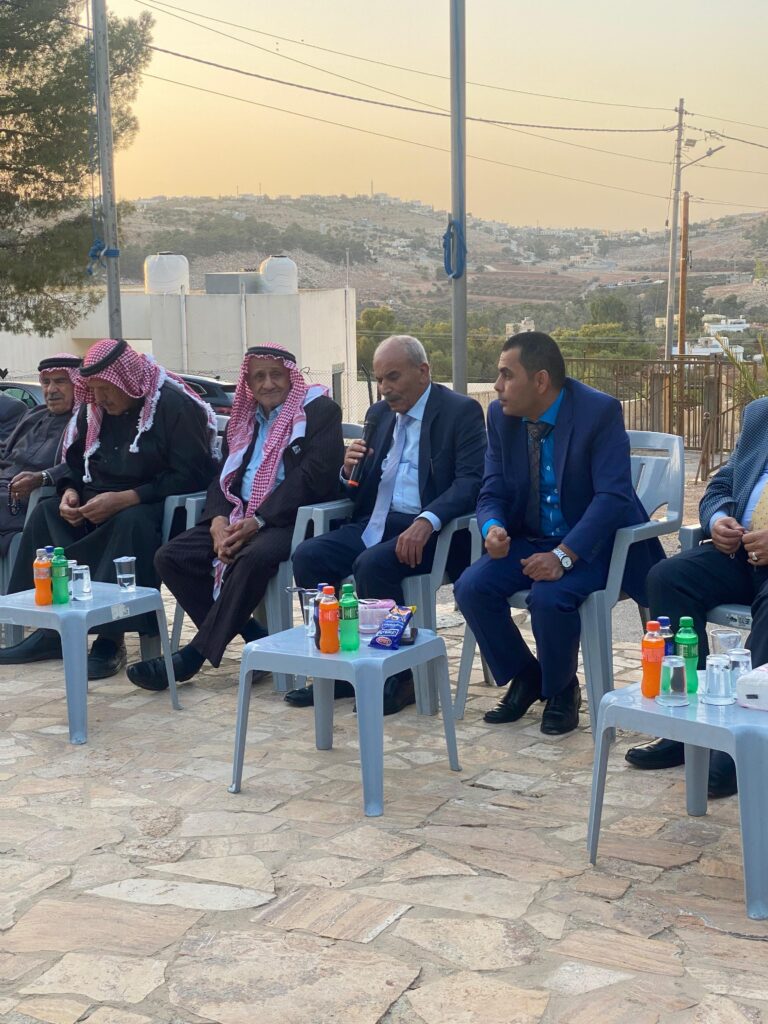
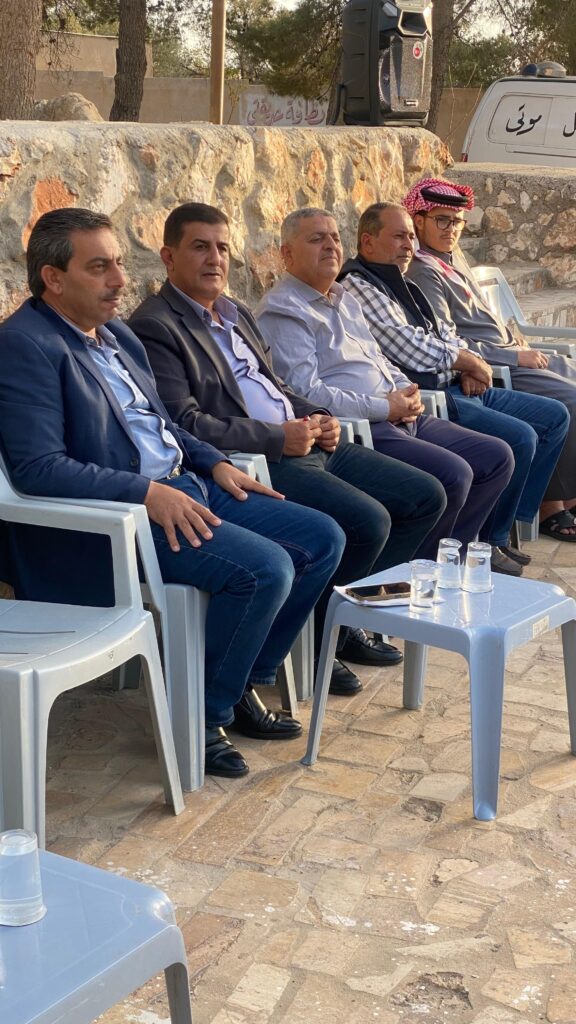
حيث استضافت جمعية البيرة الخيرية، ممثلة برئيسها الدكتور محمود العلوان، يوم امس السبت، اجتماعًا تشاوريًا في ( مجمع بيت عيرا ويرقا الاجتماعي ) دعت اليه هيئات المجتمع المدني والفعاليات الشعبية لابناء عيرا ويرقا بحضور عدد من الشخصيات الوطنية وأصحاب الخبرات من تربويين وقانونيين ومهتمين بالشأن العام، ومدير قضاء عيرا ويرقا ،أحمد القلاب.
بداية اكد الدكتور العلوان أن المبادرة “ليست وثيقة ملزمة”، بل هي قابلة للأخذ أو الرفض كليًا أو جزئيًا، مع إمكانية التعديل والإضافة لكل عائلة بما يراعي ظروفها (فمن يمتلك مقومات لوجستية مجانية من ديوان و … ليس كمن يتكلف مصاريف ذلك كله ) ووصف طرح المبادرة علنًا بأنه “جرأة تعبر عن صدق الانتماء للوطن”، مشيرًا إلى أنها خطوة لتناول قضايا كنا نتجنب الخوض فيها علنًا.
وبدوره أثرى معالي وزير العدل الأسبق الدكتور أحمد الزيادات النقاش بمداخلات قانونية هامة، حيث تناول بعض المظاهر الاجتماعية التي تجرمها القوانين الحالية، مؤكدًا على ضرورة تغليظ العقوبات الخاصة بها من خلال مجلس الأمة صاحب الاختصاص التشريعي.
واستفاظ نقاش الحضور عددًا من المظاهر الاجتماعية التي انحرفت عن جوهرها، وأصبحت تشكل عبئًا ماديًا وجسديًا، وفقدت روحها الأصيلة. كما تم تسليط الضوء على ممارسات دخيلة على العادات والتقاليد، تصل أحيانًا إلى مخالفة الشرع، أو الاعتداء على حقوق الآخرين، مثل إغلاق الطرقات والضوضاء المفرطة وغيرها.
واستعرض القلاب، تطور بعض العادات الاجتماعية، مثل أيام العزاء التي كانت تستمر ثلاث أيام كاملة وما يتبعها من ما سمي بالونيسه ( اسبوعية المتوفي واربعينيته ) والتي قيل عنها بانها مخالفة للشرع وأعباء مالية كبيرة، إلى أن أصبحت تقتصر على فترات أقصر من بعد صلاة العصر واختصرت أيامها لدى عدد من العائلات ، في حين أن ساعتين العرس هذه الأيام في إحدى قاعات الأفراح او المزارع أصبحت تكلف ماليا عشرات أضعاف اسبوع الفرح في السابق ، فهذه فرصه لازالة التشوهات من بعض الظواهر الاجتماعية والتخفيف على بعضنا من حيث الجهد والوقت والمال .
من جانبه، أكد حسين الرحامنة الذي عمل قاضيا لسنوات طويلة كان اخرها رئيس محكمة نظامية ، في مداخلته، على ضرورة تحمل المسؤولية الفردية والعائلية، وتحدي الخوف المجتمعي، مشيرًا إلى أن منطقتي عيرا ويرقا سبقت في مبادرات مجتمعية، مثل تقليل أيام العزاء ودفن الموتى في نفس اليوم.
انتهى الاجتماع بتوقيع الحضور على تأييد المبادرة، في أجواء صادقة تهدف إلى خدمة المصلحة العامة. خطوة جريئة تفتح الباب لإصلاح اجتماعي حقيقي، يعيد ترتيب أولوياتنا، ويحافظ على قيمنا وهويتنا، دون الانتظار دوماً الى
“من يعلق الجرس”
In a step described as “Ringing the Bell,” the Ministry of Interior launched a bold initiative to regulate social phenomena, opening the door for a public discussion on many issues that we used to discuss in private but hesitated to address openly due to societal constraints.
Al-Bireh Charity Association, represented by its President Dr. Mahmoud Al-Alwan, hosted a consultative meeting yesterday, Saturday, at the Ira and Yirqa Social Complex. The meeting invited civil society institutions and local community figures from Ira and Yirqa, with the participation of several national personalities, experts in education, law, and public affairs, as well as the Director of Ira and Yirqa District, Ahmad Al-Qallab.
At the beginning, Dr. Al-Alwan emphasized that the initiative “is not a binding document,” but rather can be fully or partially accepted or rejected, with the possibility of modification and addition for each family according to its circumstances (for example, those who have free logistical resources from official bodies are not in the same situation as those who bear all expenses themselves). He described the public presentation of the initiative as “a bold step reflecting genuine patriotism,” noting that it is a move to address issues we previously avoided discussing openly.
Former Minister of Justice Dr. Ahmad Al-Zayadat enriched the discussion with important legal inputs, addressing certain social practices criminalized under current laws, and stressed the need to impose harsher penalties through the legislative authority of the Parliament.
The participants also discussed several social practices that have deviated from their original purpose, becoming a financial and physical burden, and losing their authentic spirit. Attention was drawn to practices foreign to traditions, sometimes violating religious principles or infringing on the rights of others, such as road closures, excessive noise, and others.
Al-Qallab reviewed the evolution of some social customs, such as mourning periods that used to last three full days, followed by practices like the “weekly and fortieth” commemorations of the deceased, which were considered both religiously inappropriate and financially burdensome. Over time, these practices were shortened to periods after the afternoon prayer or limited to fewer days in some families. Meanwhile, a two-hour wedding today in a hall or farm can cost tens of times more than a full week of celebration in the past. This initiative is seen as an opportunity to correct distortions in social practices and reduce the burdens on families in terms of effort, time, and money.
Hussein Al-Rahmaneh, who served as a judge for many years, most recently as the head of a civil court, emphasized in his intervention the importance of individual and family responsibility and challenging societal fear, noting that Ira and Yirqa have previously led community initiatives, such as shortening mourning days and burying the deceased on the same day.
The meeting concluded with participants signing in support of the initiative, in a sincere atmosphere aimed at serving the public interest—a bold step that opens the door for real social reform, reordering priorities, and preserving our values and identity, without always waiting for “the one who rings the bell.”